
Gas is one of those things homeowners don’t think about, until they smell it.
And when that happens, guessing is not a strategy.
Over the years, I’ve walked into homes where someone smelled gas and didn’t know what to do. Some people ignored it. Some called a neighbor. A few started searching online.
In a gas situation, hesitation is the problem.
First: Know What You’re Looking For
Your home’s main gas shutoff valve is typically located:
-
On the gas meter outside your house
-
Where the gas line enters the home
-
Sometimes near the side yard
It’s usually a rectangular valve that turns 90 degrees to shut off.
But here’s what many homeowners don’t realize:
Most homes don’t have a wrench sitting there ready to use.
And when you need one, it’s usually in a toolbox somewhere — if you have the right size at all.
When Should You Shut It Off?
You should shut off your main gas supply if:
-
You smell a strong sulfur or “rotten egg” odor
-
You hear hissing near the gas line
-
There’s structural damage from an earthquake or impact
-
You’re directed to do so by emergency services
If you’re unsure, evacuate first. Safety comes before everything.
The Mistake I See Too Often
Homeowners assume they’ll “just turn it if needed.”
But in the moment, they:
-
Don’t know which direction turns it off
-
Don’t have the right tool
-
Aren’t confident they’re doing it correctly
That delay matters.
I’ve seen situations where a fast shutoff prevented major damage. I’ve also seen cases where confusion made things worse.
Preparedness removes doubt.
What I Tell Every Homeowner
Take five minutes this week and:
-
Locate your gas shutoff valve.
-
Make sure you understand how it turns.
-
Keep the correct wrench next to it — not in a drawer somewhere.
-
Show your spouse or another adult in the household.
You don’t need to live in fear.
You just need clarity.
Final Thought
Gas systems are safe when handled properly. But safety depends on knowledge.
In my career, I’ve learned that most damage doesn’t happen because people don’t care.
It happens because they weren’t shown what to do ahead of time.
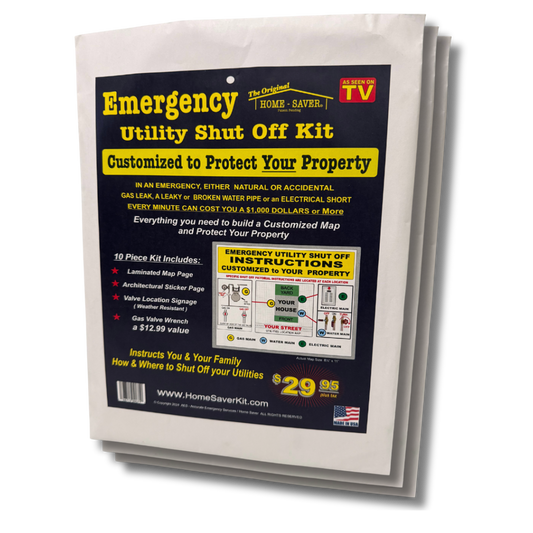
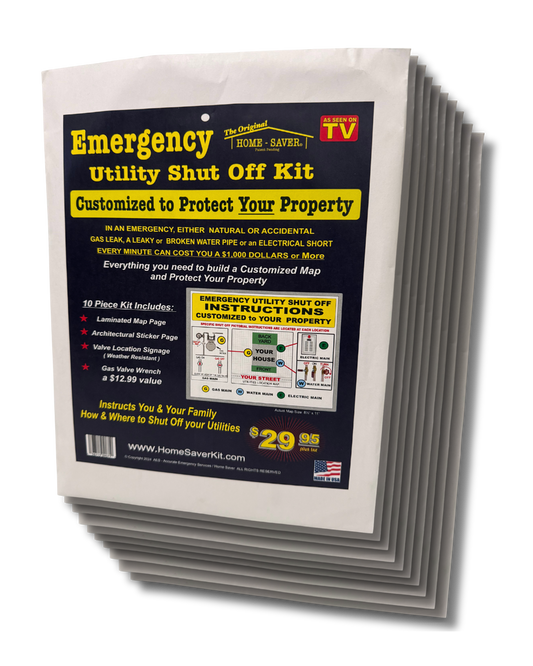
That’s one of the reasons I created a simple, physical system to map and position shutoffs clearly. But whether you use my kit or not, don’t leave this to chance.
Know where it is. Know how it works. And make sure someone else in your home does too.
About Home Saver Kit
Home Saver Kit is a simple, low-tech preparedness system designed to help homeowners quickly locate, label, and shut off their water, gas, and electricity during an emergency. Built for real-life situations, not theory, the kit provides clear, physical guidance that works even during power outages, helping families act fast and limit costly damage.
Home Saver Kit was created by Richard “Rick” Koenig, a licensed general contractor with over 48 years of hands-on experience in residential and commercial construction. Throughout his career, Rick has responded to hundreds of emergency situations and repeatedly saw preventable damage escalate simply because homeowners didn’t know where their shutoff valves were or how to use them.
His practical, field-tested approach to preparedness is rooted in decades of real-world problem solving, community involvement, and a commitment to helping homeowners protect what matters most.